Unlocking Creativity: How to Draw Animals Step by Step Crab
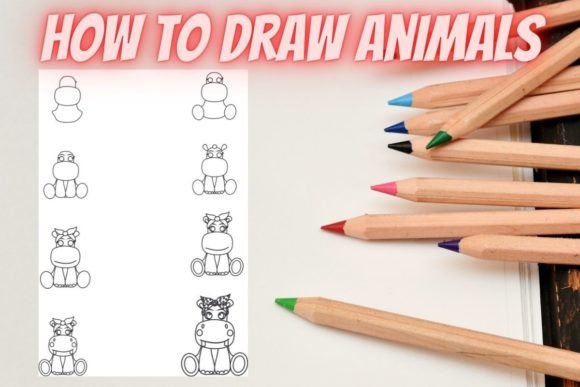
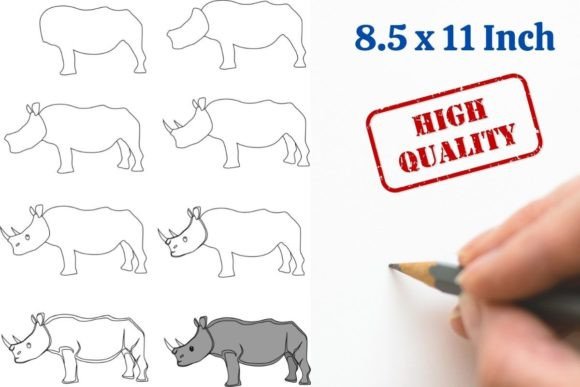
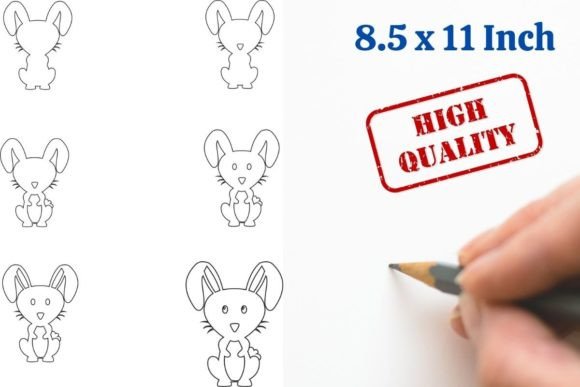
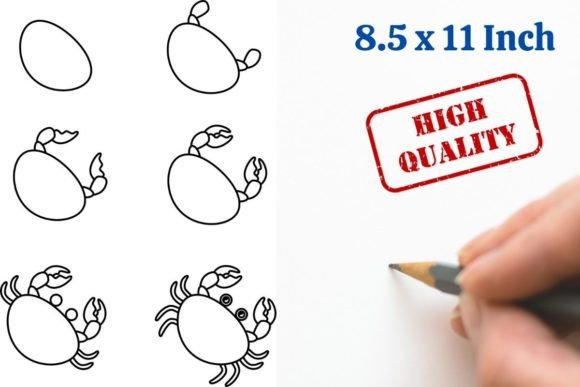
The process of drawing, especially for children, is often a gateway to broader development. Yet, initiating that process can be daunting for educators, parents, and even the child themselves. The How to Draw Animals Step by Step Crab digital printable addresses this exact point of friction. It is a single, high-resolution JPG file that presents a clear, sequential visual guide to drawing a crab. This simple resource transforms a complex form into manageable steps, making artistic creation accessible and enjoyable. Its relevance extends far beyond the page, tapping into contemporary shifts in educational resources, entrepreneurial opportunities, and the enduring human need for structured creative practice.
The Evolution of Educational Resources: From Books to Digital Printables
The landscape of learning materials has undergone a significant transformation. Gone are the days when resources were confined to bulky textbooks or mass-market activity books with limited variety. Today, there is a pronounced move towards modular, customizable, and digital-first content. This evolution is driven by the needs of modern educators and parents who seek flexibility. A digital printable How to Draw Animals Page for kids or Kindergarten fits perfectly into this new paradigm. It is not a locked-in book but a single asset. You can print it repeatedly, use it digitally on a tablet, or incorporate it into a larger, personalized project. This shift reflects a broader trend of user empowerment, where the consumer is also a curator, assembling tools that best suit their specific context, whether it’s a classroom lesson plan, a rainy-day activity at home, or a therapeutic arts session.
A Tool for Diverse Audiences: Educators, Parents, and Entrepreneurs
The practical implications of a focused resource like the crab drawing guide are multifaceted. For the educator, it serves as a ready-made lesson component that teaches not only art but also patience, sequencing, and observation of natural forms. For the parent or caregiver, it offers an easy-to-implement activity that fosters quality time and skill development without requiring extensive artistic knowledge themselves. The true forward-looking potential, however, lies in its application for creators and entrepreneurs. The clear permission to sell it on Amazon KDP or use it as is or put it together with other KDP interiors to build your own book opens a direct path to market. This is not merely a product to use; it is a potential product to sell. In an economy where digital assets hold increasing value, such a printable becomes a versatile business component.
Integrating Single Assets into Larger Creative Projects
The directive that you can bundle this page with other interiors to build your own book is a key insight into modern creative workflows. Many independent publishers and content creators on platforms like Amazon Kindle Direct Publishing (KDP) operate on a principle of aggregation. They combine high-quality, focused assets—like this step-by-step animal drawing—to create cohesive, themed volumes. This approach allows for efficiency and specialization. One might source or create a series of animal drawing guides, each as a single JPG page, and compile them into a comprehensive "How to Draw Ocean Animals" book. This modular method reduces the initial creative burden and allows for testing market interest with smaller components before committing to a full book project.
Quality as a Foundation: The Importance of 300 DPI High-Resolution Files
The technical specification that you will receive 1 JPG Page of one Animal Drawing Step by Step High Quality, 300 DPI is a critical detail often overlooked by casual users but paramount for professionals. DPI (dots per inch) defines print quality. A 300 DPI image ensures that when printed, whether as a standalone activity sheet or as part of a published book, the lines are crisp, clean, and professional. This attention to quality speaks to a growing user expectation for digital products that translate flawlessly into the physical world. It satisfies the practical needs of a parent printing at home on a good printer and the commercial requirements of an entrepreneur producing a book for sale. In a market saturated with low-resolution clip art, this commitment to quality establishes trust and utility.
Meeting the Demand for Structured Creative Guidance
Why are people paying more attention to step-by-step drawing guides? Beyond the entrepreneurial angle, there is a cultural resurgence in hands-on, analog creativity as a counterbalance to digital saturation. Drawing provides a tactile, focused experience. However, the barrier for many is a lack of foundational technique. A step-by-step guide breaks down that barrier. The How to Draw Animals Step by Step Crab page provides a non-verbal, visual algorithm for success. This empowers the child—or even an adult beginner—by offering immediate, achievable milestones. This structured approach aligns with pedagogical best practices and the general human preference for learning through incremental, visualized progress.
The Amazon KDP Ecosystem: A Marketplace for Modular Content
The ability to sell this printable on Amazon KDP is a direct nod to one of the most significant shifts in publishing and creative entrepreneurship. KDP has democratized book production, allowing individuals to publish and sell physical and digital books globally without upfront inventory costs. A single-page printable like the crab drawing guide is a perfect entry point into this ecosystem. It can be sold as a digital download itself, or, as noted, integrated into a larger low-content or activity book. For the business owner, marketer, or freelancer looking to expand their product lines, such assets offer a low-risk way to test a niche. The trend towards micro-publishing and highly specific activity books is strong, driven by parents and educators searching for targeted resources rather than generic ones.
When considering current market preferences, specificity wins. A book titled "How to Draw 50 Animals" might be broad, but a book focused on "Drawing Coastal Creatures" or even a single, impeccably designed page on drawing a crab meets a precise need. This granularity allows for deeper SEO and marketing targeting, connecting with users searching for very particular solutions. The keyword "crab" itself becomes a valuable semantic variant, attracting an audience interested in marine life, beach-themed activities, or specific animal forms.
Practical Recommendations for Users and Creators
For the end-user—the parent, teacher, or therapist—the recommendation is straightforward: use this asset as a tool for engagement. Print it, laminate it for reuse, and pair it with learning about crustaceans, ocean ecosystems, or symmetry in nature. For the creator or entrepreneur, the path involves more strategy. Consider these realistic applications:
- Standalone Digital Product: Sell the single JPG as a downloadable activity sheet on your own website or platforms like Etsy.
- KDP Activity Book Component: Combine it with 10-20 other step-by-step animal drawings to create a profitable low-content book for Amazon.
- Supplemental Educational Material: Bundle it with related printables (facts about crabs, coloring pages) to create a themed mini-unit for sale.
- Brand Enhancement: Use it as a free resource on a blog or social channel focused on parenting or education to build audience trust.
The underlying observation is that such a focused digital asset is inherently flexible. Its value is not locked into one form, which is a core principle of modern digital content creation.
Looking Forward: The Role of Specialized Assets in Creative Economies
The future of creative resources is leaning towards specialization and interoperability. The How to Draw Animals Step by Step Crab printable is a prime example. It does not attempt to be everything for everyone. It excels at one thing: guiding a user to draw a crab clearly. This allows it to function as a reliable, high-quality module in a larger system. As educational and publishing workflows continue to embrace digital tools and user customization, the demand for such modular, professional-grade assets will likely grow. This is not about hype over digital products; it is a realistic response to the practical needs of creators who want efficiency, educators who want adaptability, and parents who want immediate, high-quality solutions for their children's development.
Ultimately, this simple drawing guide encapsulates several contemporary trends: the DIY ethos in education, the micro-entrepreneurial possibilities of digital marketplaces, and the universal appeal of structured creativity. By providing a clear path from a blank page to a completed drawing, it empowers the user at every level—the child holding the pencil, the adult facilitating the activity, and the entrepreneur building a business around it. Its power lies in its specificity and its quality, proving that even a single page, when designed with intention and technical precision, can hold significant potential for learning, connection, and commerce.