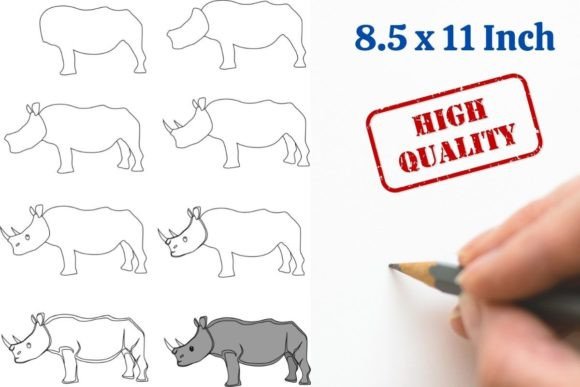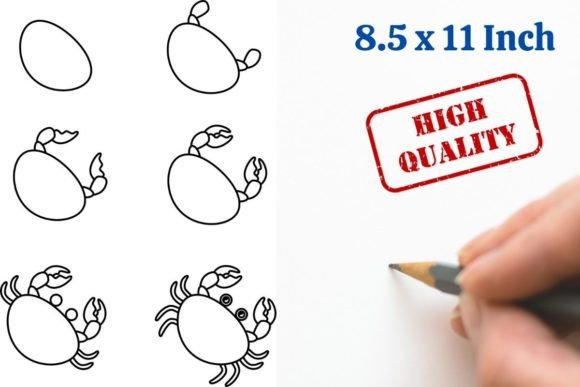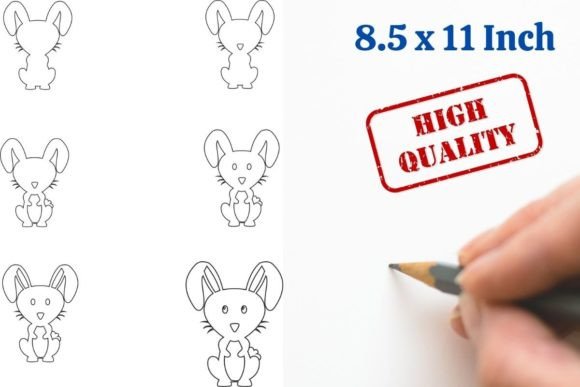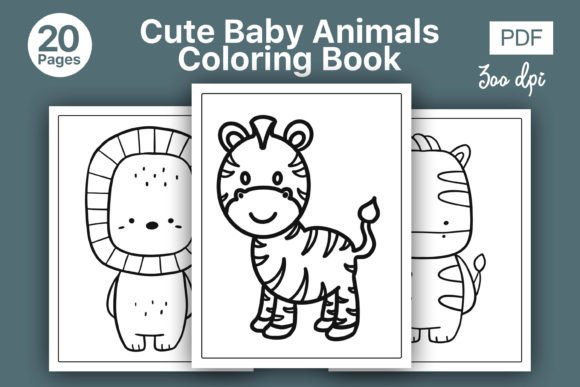
How to Draw Animals Step by Step Hippo: A Gateway to Creativity and Business
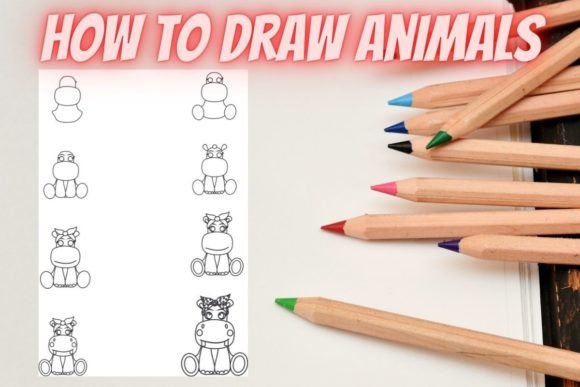
The process of creating, especially for children, often begins with simple, guided steps. A resource titled How to Draw Animals Step by Step Hippo exemplifies this approach, offering a single, focused printable page that breaks down the drawing of a hippopotamus into manageable stages. While ostensibly a children's activity, its relevance extends far beyond the kindergarten classroom. In a digital age saturated with passive consumption, such structured creative prompts serve as vital counterpoints, fostering patience, fine motor skills, and sequential thinking in young learners. For adults, particularly creators, educators, and entrepreneurs, this asset represents more than a drawing guide; it is a versatile component in the expanding ecosystem of digital content creation and independent publishing.
The Evolution of Creative Resources in a Digital Marketplace
The way we access and utilize educational and creative materials has undergone a significant shift. Physical activity books, while still valuable, are now complemented by a vast array of digital printables. This transition aligns with modern workflows that prioritize flexibility, immediate access, and customization. A digital printable How to Draw Animals Page meets these contemporary expectations. It can be printed repeatedly, used on tablets for tracing, or seamlessly integrated into a variety of projects without the constraints of a physical book's fixed layout. For professionals and parents, this means adapting content to a child's specific interest or pace on demand, a practical response to the understanding that learning is not monolithic.
Practical Implications for Creators and Entrepreneurs
The note that this page can be sold on Amazon KDP (Kindle Direct Publishing) or combined with other interiors to build a book is a key insight into its practical value. The rise of self-publishing platforms has democratized content creation, allowing individuals to build niche products without large upfront investments. A single, high-quality 300 DPI JPG page of an animal drawing step-by-step becomes a potential asset in two primary ways. Firstly, it can serve as a standalone product for a targeted audience, perhaps parents seeking a specific animal drawing tutorial. Secondly, and perhaps more strategically, it functions as a modular building block.
An entrepreneur or creative professional can combine this hippo drawing page with similar guides for elephants, lions, and giraffes to create a comprehensive How to Draw African Animals workbook. This modular approach allows for testing market interest with smaller products before committing to larger compilations, aligning with agile business practices common in digital markets. The quality specification—300 DPI—is crucial, speaking directly to professional needs; it ensures the printable remains sharp and clear, maintaining a premium user experience that supports brand reputation and customer satisfaction.
Integrating Structured Creativity into Modern Learning
Beyond commerce, the content itself addresses a growing recognition of the importance of structured creative outlets for children. In contrast to completely open-ended art, which can sometimes overwhelm, step-by-step guides provide a scaffolded confidence boost. Mastering the drawing of a complex animal like a hippo through clear steps teaches perseverance and provides a tangible reward. For educators and homeschoolers, such resources are invaluable tools to supplement curricula, offering engaging breaks that still develop cognitive and artistic skills. They fit into a lifestyle shift towards more hands-on, screen-balanced activities at home, responding to a conscious effort by many parents to integrate tactile learning.
The focus on one animal also caters to the observed trend of deep-dive interests among children; a child fascinated by hippos can enjoy dedicated content on that subject, rather than a generic animal drawing book where their favorite creature might only occupy a single page. This specificity enhances engagement and perceived value.
Market Preferences and the Demand for Niche Content
The current market for digital products, especially on platforms like Amazon, shows a strong preference for niche, high-utility content. A broad "how to draw animals" book exists, but a product focusing on a step-by-step hippo drawing, or a series of such singular pages, can attract a specific segment of buyers. This aligns with broader search and consumption habits where users often look for very precise solutions. For the creator, this means opportunities to build a portfolio of interconnected printables—each a high-quality, 300 DPI page—that collectively serve a wider audience while also satisfying specific searches. The recommendation here is realistic: start with one well-executed page, understand the process of listing and marketing on KDP, then expand systematically based on feedback and market data.
From a Single Page to a Creative Suite
The versatility of the asset is its greatest strength. A blogger focusing on parenting or educational activities can use the JPG as is, embedding it in a blog post to provide immediate value to readers. A freelance graphic designer might incorporate it into a larger custom activity book commissioned by a client. A teacher can print it for an entire classroom. This multi-use potential reflects the interconnected nature of modern creative and professional work, where content is often repurposed and remixed across different mediums and objectives. The underlying principle is one of efficiency and leverage; a single investment in creating a high-quality resource yields multiple avenues for application and revenue.
It is important to ground this in realistic examples. Consider an educator who purchases a bundle of such animal drawing pages. They are not merely buying drawings; they are acquiring a reusable library of classroom activities, saving personal preparation time while ensuring consistent quality. For an Amazon KDP seller, the journey might begin with this hippo page, then expand to a set of "jungle animals," later perhaps to a complete "how to draw" series, building a brand around reliable, clear instructional art. The evolution is organic, driven by user needs and creator capability, not by exaggerated market hype.
Quality as a Non-Negotiable Foundation
The emphasis on receiving one high quality, 300 DPI JPG page is a critical detail that speaks to enduring user expectations. In a market flooded with low-resolution, pixelated printables, quality becomes a primary differentiator. For the end user—whether a parent printing at home or a professional incorporating it into a commercial book—high resolution ensures the final output looks professional and credible. This attention to quality underpins the principles of E-E-A-T (Experience, Expertise, Authoritativeness, Trustworthiness) in content creation. By providing a technically superior product, the creator demonstrates expertise and builds trust, which are essential for long-term success in digital marketplaces and educational contexts.
Ultimately, the How to Draw Animals Step by Step Hippo printable is a microcosm of larger trends: the demand for flexible digital resources, the opportunities in modular content creation, and the sustained value of structured creative learning. It serves the immediate, joyful purpose of helping a child draw a hippopotamus. Simultaneously, it represents a practical, scalable asset for the adult creator navigating the possibilities of the digital economy. Its relevance is dual, connecting the fundamental human act of creation with the modern pathways through which that act is supported, shared, and sustained.