Evaluating the How to Draw Animals Step by Step Bunny Printable
For parents, educators, and aspiring creators, the landscape of children's activity resources is vast. Among these offerings, digital printables like the How to Draw Animals Step by Step Bunny page present a specific, focused option. This single-sheet resource provides a guided tutorial for drawing a bunny, formatted as a high-quality JPG file. It is marketed as a versatile asset: usable on its own, combinable with other materials, or as a potential component for Amazon KDP (Kindle Direct Publishing) books. Before integrating such a resource into your plans, a clear evaluation of its fit, benefits, and limitations is essential.
Understanding the Resource: A Focused Drawing Guide
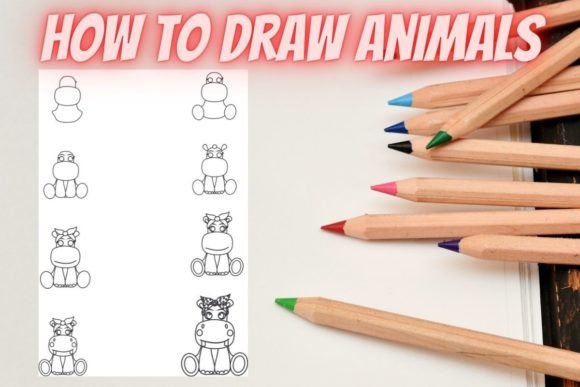
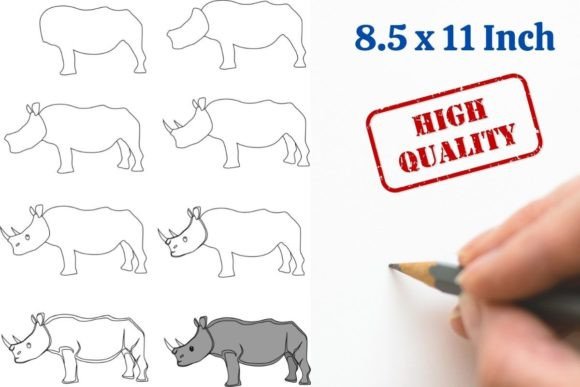
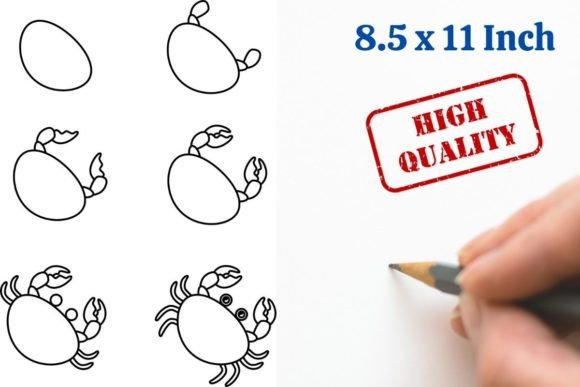
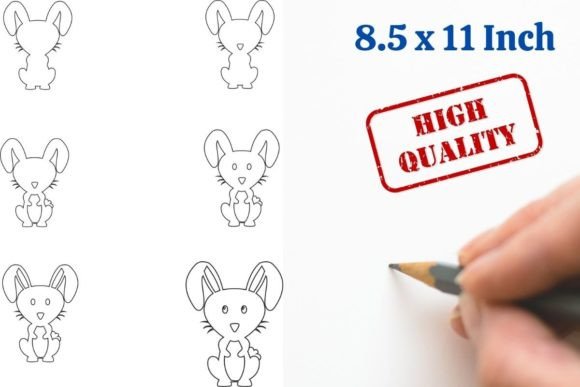
The How to Draw Animals Step by Step Bunny printable is, fundamentally, an instructional art sheet. It breaks down the process of drawing a bunny into sequential, manageable steps, likely using simple lines and shapes appropriate for young learners. The key specification is its delivery as a single 300 DPI JPG file, ensuring high print quality. Its advertised flexibility is notable: you can use it as a standalone activity page, sell it as a digital product on platforms like Amazon KDP, or incorporate it into a larger compilation, such as a "How to Draw Animals" book interior. This multi-use potential is a central feature to consider.
Potential Benefits and Primary Use Cases
For individuals seeking a straightforward, ready-to-use activity, this printable offers clear advantages. Its immediate availability eliminates the need to create original drawing instructions, saving time and effort. The step-by-step format is pedagogically sound for early learners, promoting fine motor skills, sequencing understanding, and confidence through achievable tasks. For kindergarten teachers or parents facilitating home learning, such a structured guide can be a helpful, no-prep addition to an arts curriculum.
The benefits extend to those exploring content creation for Amazon KDP. The high-resolution file meets basic technical requirements for book interiors. Its niche focus—a single animal—allows for targeted use in animal-themed activity books. If you intend to assemble a book featuring multiple animals, this bunny page could serve as one component. However, its utility in this context heavily depends on your overall project scope. It is a strong fit for:
- Educators needing a quick, quality supplement for a single lesson or art center.
- Parents looking for a simple, engaging screen-free activity for their child.
- KDP creators who plan to compile many similar single-animal sheets into a comprehensive drawing book.
Trade-offs, Considerations, and Expectations
While convenient, the resource's focused nature involves inherent trade-offs. The most significant consideration is scope: you receive instruction for one animal only. If your goal is to teach a child to draw a variety of animals, this single bunny page is insufficient on its own and would require purchasing or creating additional sheets. This impacts cost-effectiveness if multiple, separate printables are needed.
For KDP use, important practicalities must be weighed. A one-page JPG file is not a complete book interior; it is a raw material. You must handle the integration, including page numbering, layout consistency, and compatibility with other elements. Furthermore, selling a single printable as a standalone KDP product might face market challenges, as customers often expect more substantial content in a book. The value here is primarily as a modular component for a larger project you are building yourself.
Expectations should be calibrated around the product's simplicity. It is a digital file of a drawing guide—not a physical product, not a comprehensive course, and not a licensed commercial asset with exclusive rights. You are responsible for printing, distribution, and ensuring its appropriate use within your project.
Situations Where Alternatives May Be Worth Considering
This printable may not be the optimal choice in several scenarios. If you require a broad curriculum covering many animals, a pre-made book or a multi-page digital bundle offering a sequence of animals would likely offer better value and cohesion. Similarly, for KDP creators lacking design skills or time to assemble disparate pages, purchasing a complete, ready-to-upload book interior from a designer might be more efficient, despite a higher initial cost.
Alternatives also exist for the educational use case. Free online drawing tutorials, though not as neatly packaged for printing, offer vast variety. Comprehensive physical drawing books provide structured progression and can be reused indefinitely. The decision hinges on your need for immediacy, print quality, and modular control versus your need for variety, cost savings, or a finished, polished product.
Practical Decision-Making Insights
To determine if the How to Draw Animals Step by Step Bunny printable aligns with your goals, ask yourself these evaluative questions:
- What is my primary use? Is it for a one-time child's activity, for repeated educational use, or as a commercial KDP component?
- What is my required scope? Do I need just a bunny lesson, or a wider range of animals? Am I prepared to source multiple individual sheets?
- What is my capacity for assembly? For KDP, do I have the skill and time to compile single pages into a coherent book?
- How do I value convenience vs. cost? Does the ready-made, high-quality file justify its price compared to free resources or more comprehensive paid bundles?
Your answers will clarify the resource's suitability. It excels as a targeted, quality-controlled asset for specific, modular applications. It falls short as a broad solution for extensive drawing instruction or as a turnkey product for passive KDP publishing. By matching its focused strengths to your equally focused needs—such as filling a specific gap in a larger project or providing a precise activity—you can make an objective, practical decision about its utility.