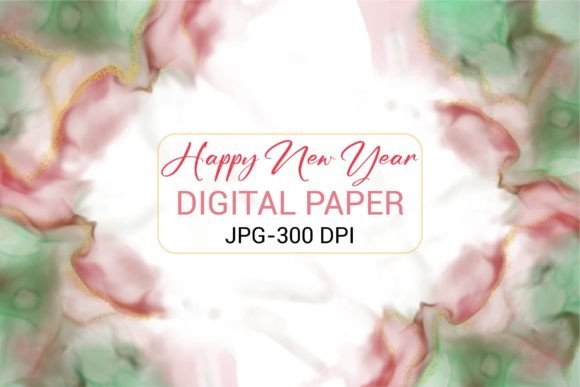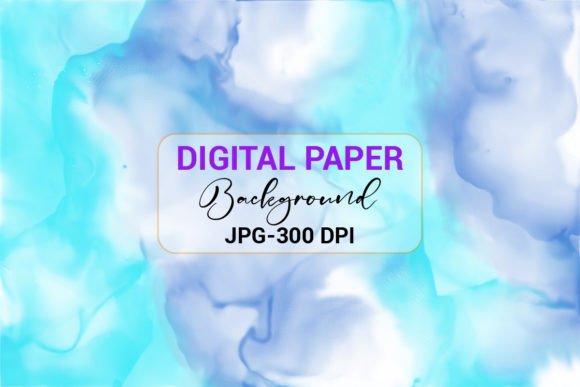
Watercolor Ink Paper Texture Backgrounds: A Versatile Digital Asset for Modern Creativity
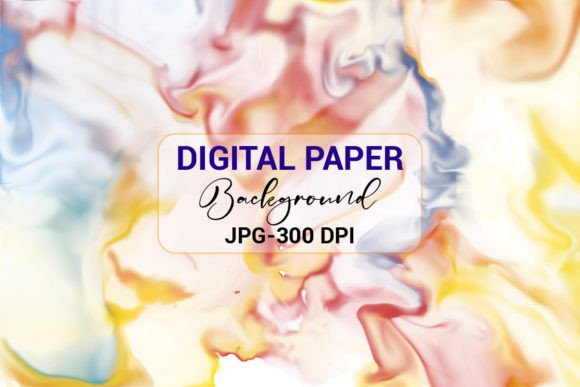
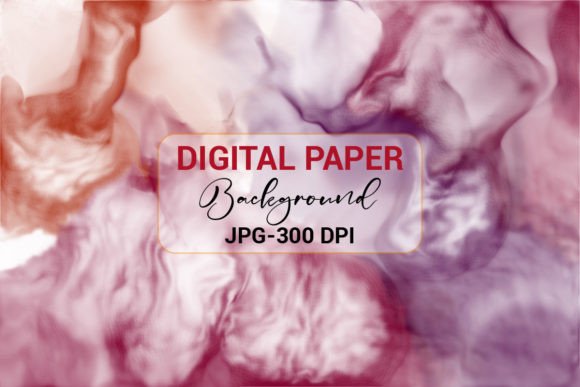
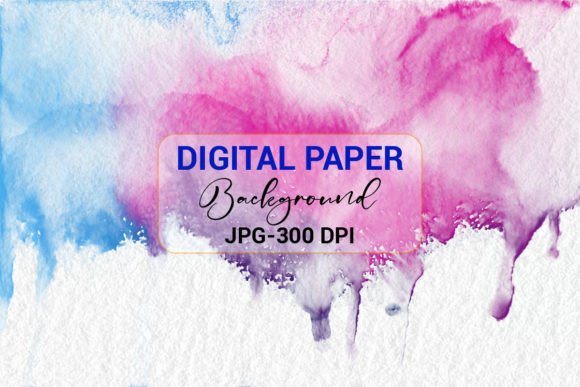
In the digital age, the quest for authenticity and tactile warmth in visual design has led to a resurgence of organic textures. Among these, watercolor ink paper texture backgrounds have emerged as a particularly versatile and beloved resource. These digital files capture the delicate interplay of pigment and water, the subtle granulation of paper fibers, and the soft, unpredictable bleed of ink, translating a traditionally analog art form into a flexible, high-quality digital asset. Their relevance lies in this translation, offering the organic beauty of a handmade process within the efficient, scalable workflows demanded by contemporary creators.
The Digital Renaissance of Handmade Textures
Current trends in design and marketing consistently lean towards aesthetics that feel human, approachable, and emotionally resonant. In a landscape saturated with sleek, geometric, and perfectly rendered digital graphics, watercolor ink paper textures introduce a welcome element of serendipity and softness. They fit seamlessly into the broader movement favoring authenticity and craftsmanship, even within digital products. This evolution is driven by changing user expectations; audiences now connect more deeply with visuals that hint at a human touch, a story, or an artistic process.
For professionals and businesses, this texture isn't merely a decorative layer. It serves as a strategic tool to differentiate brands, soften corporate messaging, or add a layer of artistic credibility to products. A marketer might use it to make a social media campaign feel more personal and less like a corporate broadcast. An author or publisher can leverage it to give a book cover a timeless, literary quality. The trend reflects a market preference for designs that stand out through subtlety and emotional texture rather than sheer visual loudness.
A Palette of Practical Applications
The inherent versatility of a well-crafted watercolor ink paper texture background is its greatest strength. Its applications span from commercial to personal, professional to hobbyist, demonstrating its adaptability to modern creative needs.
Enhancing Print and Digital Publications
For book covers, especially in genres like poetry, memoirs, fiction, or non-fiction titles aiming for an elegant, artistic feel, a watercolor background provides an immediate sense of depth and sophistication. It moves beyond a flat color, offering a canvas that feels both contemporary and classic. Similarly, within digital publications or presentation tools like MS PowerPoint, these backgrounds can elevate standard slides, providing a cohesive and visually engaging theme that keeps audiences focused on the content presented against a gentle, non-distracting canvas.
Building Cohesive Brand Identities Online
Web backgrounds and social media posts benefit enormously from a unifying visual texture. Using a consistent watercolor ink paper texture across a website's hero sections, blog headers, or even as a subtle backdrop for product displays can create a memorable and cohesive brand identity. On social media platforms like Instagram or Facebook, posts featuring such backgrounds—for quotes, announcements, or promotional content—often garner higher engagement because they break the monotony of standard templates and feel uniquely crafted.
Expanding into Product and Merchandise Design
The application extends far beyond the screen. These high-resolution textures are perfect for physical products. Sticker designs gain an artistic, handcrafted appeal, making them more desirable as collectibles or brand merchandise. Mobile cover designs printed with a watercolor texture offer a personalized, artistic alternative to mass-produced patterns. The same principle applies to T-shirt designs, where the texture can be used as a full background or a subtle element within a larger graphic, appealing to consumers looking for apparel with a unique, artistic flair.
The Importance of Technical Specifications
The practical implications of using these backgrounds hinge on their technical quality. A file that is simply a low-resolution scan of a watercolor painting will limit its utility and professional appeal. This is where specifications like the included 300 DPI JPG file become critically important.
A resolution of 300 DPI (dots per inch) ensures the image retains its detail and clarity when printed. This is essential for applications like book covers, stickers, or mobile covers where the final product is physical. The high-quality JPEG format, while a compressed file type, is universally compatible. Its inclusion in a ZIP file makes for easy download and management. This compatibility is a cornerstone of modern workflows. As noted, you can use it directly in platforms like Canva, which powers countless small business and freelance design projects, as well as in standard office suites like MS Word and MS PowerPoint.
This democratizes high-quality design. An educator preparing a classroom presentation, a freelancer crafting a client's social media kit, or a hobbyist designing a personal blog can all start from the same professional-grade asset without needing expensive, specialized software. This accessibility aligns perfectly with the shift towards user-friendly, platform-based creative tools that dominate today's creative practices.
Integrating Texture into a Modern Creative Workflow
For the creator, entrepreneur, or marketer, incorporating a watercolor ink paper texture background into projects requires a mindful approach. The key is to view it as a foundational layer—a stage upon which other elements perform. Its soft, varied nature means that typography and logos placed over it should be chosen with contrast and legibility in mind. A bold, clean font often works beautifully against a watery, muted background, creating a balance between organic chaos and structured information.
Realistic examples illustrate this. Consider an independent author using the texture for a Kindle Direct Publishing (KDP) interior page design for a chapter header, creating a reading experience that feels more like a beautiful, printed book. A small business owner might use it as the background for all their seasonal promotional posts on Instagram, building a recognizable and aesthetically pleasing visual thread throughout their marketing. A graphic designer could overlay the texture with minimalist geometric shapes in a branding project, merging organic and modern styles.
Recommendations for Effective Use
- Start with Intent: Decide on the emotional tone—calm, energetic, romantic, professional—and select a watercolor texture (cool vs. warm tones, bold vs. subtle washes) that supports it.
- Respect Hierarchy: Let the texture be the background. Ensure primary content—text, key images, calls to action—remains clearly readable and prominent.
- Maintain Consistency: For brand projects, use the same or a series of similar textures across mediums to build a strong, unified visual identity.
- Explore Blending: In advanced editing software, use blending modes to integrate the texture with other images or colors for unique, custom effects beyond simply placing it as a static backdrop.
A Forward-Looking Asset for Diverse Creators
The sustained attention paid to assets like watercolor ink paper texture backgrounds is grounded in their enduring utility. They are not tied to a fleeting trend but to a lasting desire for digital designs that feel connected to physical art. As technology continues to provide easier ways to create and distribute content, the value of starting with a high-quality, emotionally potent base element only increases.
For the curious reader exploring digital design, or the seasoned professional streamlining a client's brand kit, these textures represent a bridge. They connect the intuitive, expressive world of traditional watercolor painting with the precise, expansive needs of digital implementation. By offering a single, high-resolution file in a universally compatible format, they remove technical barriers and place the focus back on creativity and application, empowering users to enhance book covers, web backgrounds, social media posts, stickers, mobile covers, and much more with a touch of authentic, artistic texture.