Stylish Watercolor Marble Digital Paper: A Versatile Tool for Modern Creators
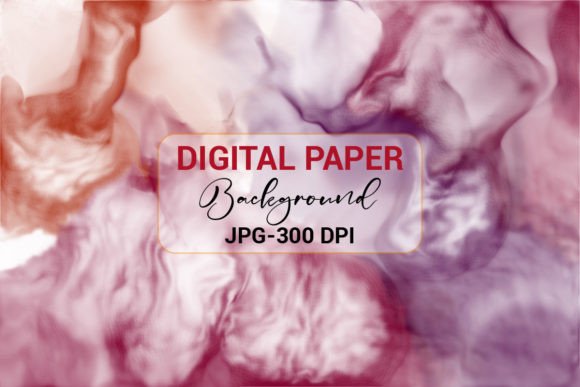
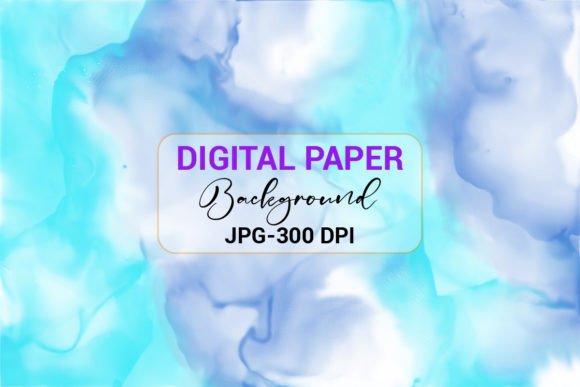
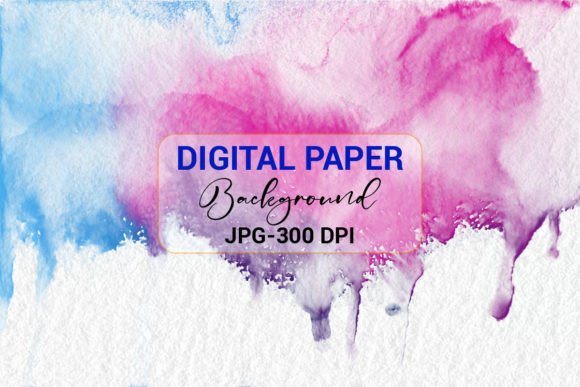
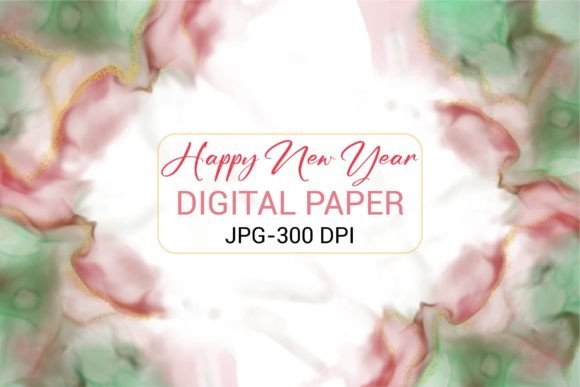
The visual landscape of our digital projects—from websites to book covers—often requires a foundation of texture and color. Stylish Waterwatercolor Marble Digital Paper provides exactly that: a high-resolution, artistically crafted background that blends the soft, flowing aesthetics of watercolor with the elegant, organic patterns of marble. This combination creates a unique digital asset that is both contemporary and classic, offering a perfect starting point for a wide array of design projects. Its appeal lies not just in its beauty, but in its practicality for creators, entrepreneurs, and marketers who need to produce professional-looking materials quickly and effectively.
Understanding Your File Formats: The Core of Usability
When you download Stylish Watercolor Marble Digital Paper, you typically receive two primary file types: a 300 DPI JPG and a Vector EPS CC file. These are not just two versions of the same image; they serve fundamentally different purposes. A common oversight is treating them interchangeably, which can severely limit your creative options and final output quality.
The High-Resolution JPG: Ideal for Direct Application
The 300 DPI JPG file is a ready-to-use raster image. Its high resolution ensures it remains crisp and clear when printed for items like book covers or stickers, or when used at large sizes in digital spaces like web banners. This file is your go-to for platforms like Canva, MS Word, or PowerPoint where you simply need to place a background without further editing. A mistake to avoid here is using this JPG in a project that requires scaling beyond its original dimensions. While 300 DPI is excellent for print, if you try to enlarge it significantly in a digital editor, you will encounter pixelation and a loss of that smooth watercolor detail.
A better approach is to always match the intended use with the file’s native size. If your project requires a background for a large format poster, check the image dimensions in pixels before downloading. For the JPG, use it as-is for framing or filling spaces within its size constraints. This preserves the artistic quality the designer intended.
The Vector EPS File: Your Key to Customization
The included Vector EPS CC file is where the true flexibility of Stylish Watercolor Marble Digital Paper shines. This file format contains mathematical paths and curves, not pixels. This means you can open it in Adobe Illustrator and edit it without any loss of quality—you can change colors, isolate elements of the marble pattern, scale it to any size for a billboard or a mobile cover icon, and even integrate it with other vector graphics. The most frequent misunderstanding is that vector files are "complicated" and only for experts. While Illustrator is a professional tool, many beginners overlook that this file allows infinite rescaling, making it a far safer choice for projects where the final size might change.
Practical advice is to download both files even if you only plan to use the JPG initially. Having the EPS file in your archive means you can adapt the design later for a new project without having to search for a new asset or compromise on quality. If you don’t have Illustrator, consider that many online vector editors or other software can also handle EPS formats, unlocking editing potential.
Choosing the Right Background for Your Project’s Context
Stylish Watercolor Marble Digital Paper is undeniably attractive, but its application must be context-aware. A pervasive error is applying a richly patterned, colorful background to every project without considering the message or content it will support. For example, a busy, vibrant marble pattern might clash with important text on a book cover or overwhelm the key information in a social media post.
To avoid this, always test your design with the actual content layered over the background. Create a quick mockup. Does the text remain readable? Do the product images you plan to overlay still stand out? The watercolor marble aesthetic is wonderful for creating mood and style, but it should enhance, not dominate. A better technique is to use the vector file to modify the design—perhaps by softening the contrast or extracting a subtle portion of the pattern to use as a more minimalist accent border. This thoughtful application elevates your final product from simply "pretty" to strategically effective.
The Critical Step Many Miss: Checking License and Usage Terms
When you acquire digital assets like this, the excitement to start using them can lead to skipping a vital step: reviewing the license or usage terms provided by the designer. While many such papers are offered for personal and commercial use, it’s a responsible practice to confirm this. A mistake here could result in using a beautiful background in a commercial KDP book cover or on a t-shirt for sale, only to later discover it violates the creator’s terms.
The corrective action is simple. Before downloading, look for a clear statement from the designer about usage. Often, the description or download page will mention "commercial use allowed" or similar. If it’s not explicit, a quick visit to the designer’s profile, as they often suggest, can clarify their policies. This protects your project and respects the artist’s work, fostering a sustainable creative ecosystem.
Beyond the Background: Integrating with Your Design Toolkit
Viewing Stylish Watercolor Marble Digital Paper as a standalone element is another common limitation. The most successful creators see it as a component that interacts with their entire design toolkit. For instance, the soft hues of a watercolor marble background can be perfectly complemented by modern, clean fonts and minimalist icons. Conversely, pairing it with overly ornate, traditional fonts might create a dated or chaotic look.
Adopt a holistic approach. Consider your brand colors, your typography library, and your other graphic elements before committing to the background. Use the editable EPS file to subtly adjust the paper’s color tones to better match your brand palette. This level of integration makes the background feel custom-made for your project, rather than a generic drop-in. For educators or bloggers, this cohesion across all materials—social media posts, presentation slides, web backgrounds—builds a stronger, more recognizable visual identity.
Ensuring Technical Compatibility Before You Begin
A practical hurdle that can disrupt your workflow is file format compatibility. The description notes the JPG works in Canva, MS Word, and similar applications, and the EPS in Adobe Illustrator. However, if you primarily use a different vector software like Corel Draw or Affinity Designer, or a different publishing platform, you should verify that the files will open correctly. An EPS CC file is generally standard, but checking ensures you won’t face an unexpected technical barrier that delays your project.
The solution is proactive verification. If you work in a less common application, a quick online search for “EPS file compatibility with [your software]” can save time. Alternatively, many designers offer support or FAQs. Taking this minute to confirm compatibility is a small investment that guarantees a smooth creative process, allowing you to focus on design rather than troubleshooting.
Ultimately, Stylish Watercolor Marble Digital Paper is more than just a decorative image; it’s a versatile, high-quality asset that, when understood and applied with intention, can significantly enhance your creative output. By paying attention to file formats, contextual suitability, licensing, design integration, and technical readiness, you transform a simple download into a powerful tool for crafting compelling visual communications across all your endeavors.