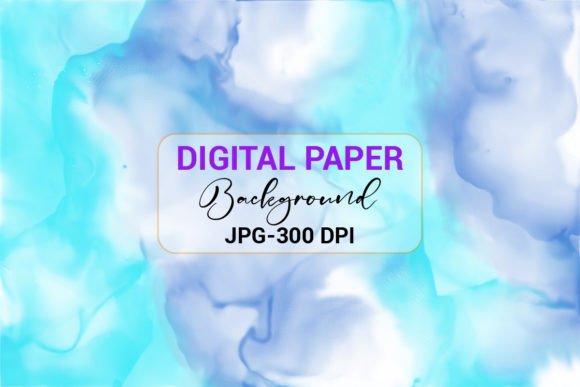
Unlocking Creativity with Abstract Watercolor Blue Textured Paper
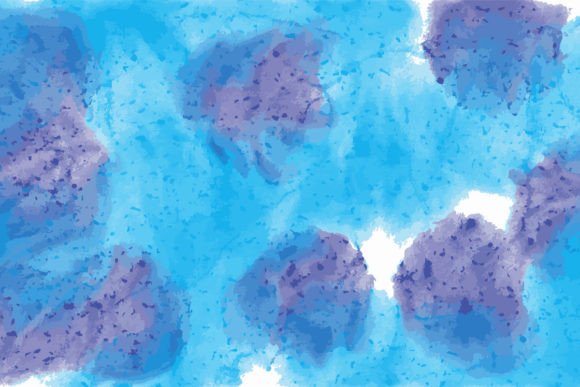
The simple act of downloading a digital texture can be the spark for countless projects. Abstract Watercolor Blue Textured Paper isn't just a file; it's a versatile visual foundation. It captures the organic, fluid feel of traditional watercolor washes merged with the subtle, tactile grain of paper. This particular background combines aesthetic appeal with practical utility, offering a high-resolution JPG and a vector EPS file to suit different workflows.
A Single Asset, A World of Applications
What makes this resource so compelling is its inherent flexibility. The serene blues and textured base evoke feelings of calm, depth, and professionalism, making it adaptable to contexts from playful social media graphics to serious book covers. For a beginner using Canva, it's a drag-and-drop solution to elevate a design instantly. For a professional in Adobe Illustrator, the vector EPS file is a malleable starting point for complex branding work. The same asset serves both, but the value derived is uniquely tied to the user's goals and skills.
Why This Background Resonates Across Audiences
Different creators see different potentials in the same tool. A marketer might prioritize how the textured blue background can increase engagement on social posts, lending a cohesive and artistic feel to a campaign. An educator might value it as a reliable, high-quality backdrop for presentation slides or instructional materials, where clarity and a pleasant visual tone aid learning. A small business owner could evaluate it based on commercial value—using it for website banners or product packaging to establish a trustworthy brand identity without hiring a designer.
For a hobbyist, the priority might be pure creative enjoyment and the learning value of experimenting with layers and text in software they're exploring. A publisher, however, will scrutinize the 300 DPI JPG specification for print-ready quality to ensure a book cover looks sharp and professional. The file's dual format offering directly addresses these varied needs: ease of use for those wanting speed and simplicity, and editability for those demanding flexibility and control.
Practical Pathways for Different Projects
Imagine a freelancer crafting a client's mobile app icon. The vector file allows them to isolate color elements, adjust contrasts, and integrate the texture seamlessly with other graphics, ensuring a unique result. Conversely, a blogger with limited time might import the JPG directly into a blog post template, instantly giving their featured image a polished, artistic background that stands out from generic stock photos.
Someone designing stickers for a small boutique will care deeply about how the texture prints at various sizes, relying on the high DPI to maintain detail. An entrepreneur launching an online course could use this background consistently across all promotional materials—web backgrounds, email headers, and video thumbnails—to create a recognizable visual theme that feels both organic and reliable.
Aligning the Asset with Your Specific Needs
Deciding if Abstract Watercolor Blue Textured Paper is right for you hinges on a few honest questions about your project. Are you working primarily in simple, web-based platforms like Canva or PowerPoint? Then the ready-to-use JPG is your ideal format. Do you need to modify colors, combine elements, or create scalable designs for commercial products? The included Illustrator EPS CC file becomes the crucial feature.
Consider your end goal. Is it a one-off social media post, or a foundational asset for a long-term branding project? For long-term usefulness, the vector format offers enduring value as you can adapt it endlessly. If presentation is your main concern—making a report, a seminar slide deck, or a portfolio look impressive—the inherent quality and professional aesthetic of the textured paper delivers immediate benefit without requiring advanced skills.
From Quick Enhancements to Creative Exploration
The beauty of such a resource is that it supports both pragmatic and exploratory work. A consumer making a personal gift, like a custom phone cover design, can achieve a beautiful result quickly. A professional illustrator might see the texture not as a final background, but as a layer within a larger, more intricate composition, using it to add depth and a hand-crafted feel to digital artwork.
This duality means that whether you prioritize speed, cost-effectiveness (by using a single asset for multiple purposes), creativity, or technical reliability, the design can meet that need. It removes the barrier of having to create a perfect textured base from scratch, which can be technically challenging, and instead provides a springboard. Your focus then shifts to applying it in a way that serves your specific vision.
Evaluating Quality and Flexibility in Your Context
For many, the mention of 300 DPI and vector files is a clear indicator of professional-grade quality. This speaks to reliability. It assures that the asset won't pixelate in print or degrade when scaled, which is vital for any commercial or serious creative endeavor. The flexibility comes from the two-file package. It acknowledges that the creative ecosystem is diverse; people work in different software with varying expertise. Offering a format for immediate use and a format for deep editing is an inclusive approach that serves the full spectrum from beginners to experts.
Ultimately, Abstract Watercolor Blue Textured Paper is more than a background. It's a multipurpose creative catalyst. Its relevance is defined not by a single use case, but by how its technical specifications—the high-quality JPG and editable EPS—intersect with your individual objectives, skill level, and the nature of the project you have in mind. By understanding what each format enables, you can match this versatile tool to your unique creative or professional path.