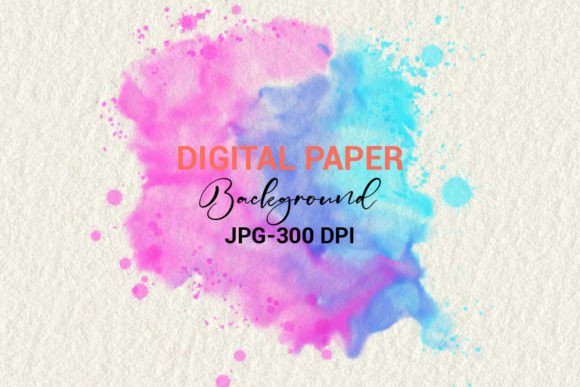
Understanding the Abstract Watercolor Splash Design Asset
In digital design, pre-made graphical assets like backgrounds and textures are common tools. One such asset is the Abstract Watercolor Splash. This is typically a digital file featuring an artistic, fluid composition that mimics the organic, blended effects of traditional watercolor painting. The specific asset referenced here is offered as a high-resolution JPEG file, suited for a variety of creative and commercial applications.
Core Characteristics and Typical Applications
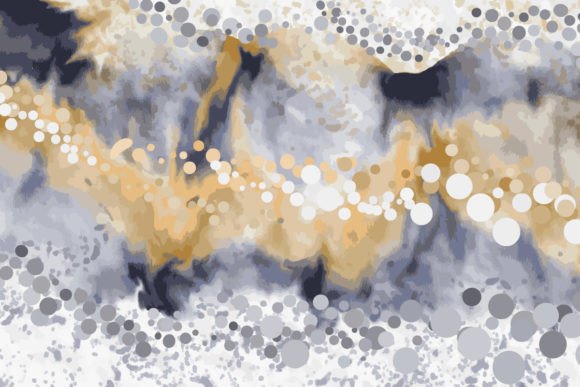
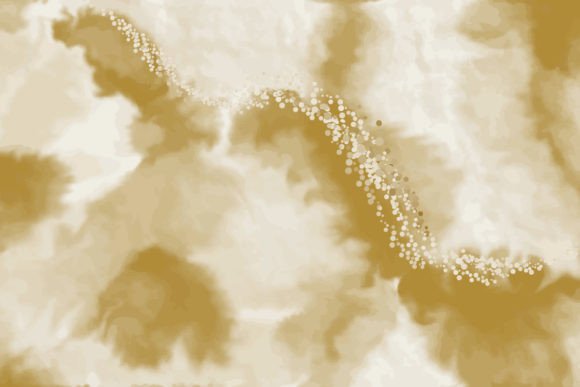
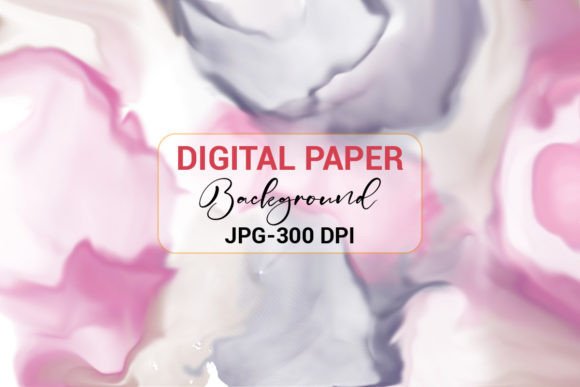
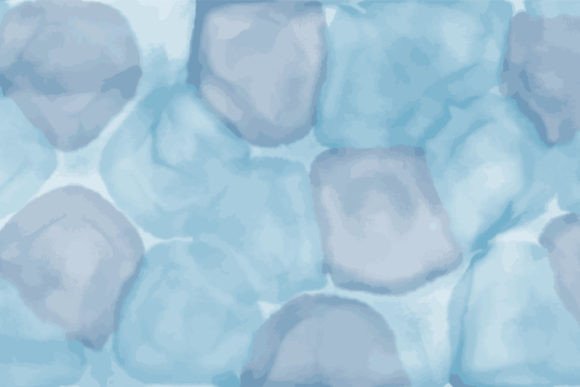
The Abstract Watercolor Splash design is defined by its aesthetic qualities and technical specifications. Visually, it presents unstructured, flowing color washes and soft blends, creating an impression of artistic spontaneity. From a practical standpoint, the file is often provided as a 300 DPI JPEG within a ZIP archive. This resolution is considered high-quality for print purposes, while the JPEG format ensures compatibility with widespread software like Canva, Microsoft Office applications, and many online design platforms.
The primary value of such an asset lies in its versatility. Common use cases include as a compelling background for book covers, where it can establish mood or genre tone. It is equally applicable as a web or social media post background to enhance visual engagement. Other frequent applications include sticker designs, mobile cover art, and as a foundational layer in mixed digital media projects. Its abstract nature means it does not dictate a specific theme, allowing it to be adapted to various contexts.
Potential Benefits of Using a Pre-made Abstract Design
For designers, marketers, and content creators, utilizing a ready-made Abstract Watercolor Splash file offers several tangible advantages.
- Time and Resource Efficiency: It eliminates the need to create a custom watercolor effect from scratch, which can require specialized artistic skills or digital brush sets.
- Consistent Quality: The provided 300 DPI resolution assures a standard suitable for both digital and basic print outputs, reducing concerns about technical adequacy.
- Broad Compatibility: The JPEG format is universally supported, easing the workflow across different software ecosystems without conversion hurdles.
- Creative Flexibility: The abstract nature allows the asset to be cropped, layered, or color-adjusted to fit a specific project without the constraints of a more defined illustration.
Important Considerations and Tradeoffs
While beneficial, choosing a pre-made asset like an Abstract Watercolor Splash involves certain trade-offs that should be evaluated against project requirements.
A key consideration is exclusivity and originality. Since such assets are often available for public purchase or download, they are not unique. Using them on a commercial product like a book cover or branded merchandise carries a risk that the same background may appear elsewhere. For projects where distinct brand identity is paramount, this can be a significant drawback.
Another factor is creative control. The color palette, splash pattern, and composition are fixed. While basic edits like cropping or overlaying text are possible, fundamentally altering the artwork's core elements is limited compared to commissioning or creating a custom piece.
Finally, the technical format presents a tradeoff. The JPEG is versatile but is a raster format. This means it does not contain vector data, so scaling it significantly beyond its intended resolution may result in a loss of clarity or pixelation, whereas a vector-based alternative would scale infinitely.
Situations Where This Asset is a Strong Fit
The Abstract Watercolor Splash file is particularly well-suited for certain scenarios.
- Speed-Priority Projects: For quick turnaround needs like social media campaigns, blog graphics, or internal presentations where custom design time is unavailable.
- Budget-Conscious Initiatives: When the cost of hiring an illustrator or purchasing specialized digital brush packs is prohibitive for a single project.
- Experimentation or Prototyping: As a temporary or placeholder visual during the conceptual phase of a larger design process.
- Personal or Low-Scale Commercial Use: For items like personal mobile covers, small-run stickers, or eBook covers where market saturation and uniqueness are less critical concerns.
When to Consider Alternatives
In other situations, exploring different options may yield better results.
If brand uniqueness and copyright ownership are essential—for example, for a major product launch, corporate identity, or widely distributed publication—investing in a custom-designed background or licensed exclusive artwork is advisable.
For projects requiring extreme scalability or precise editing, such as a logo background or a design needing specific color separation, a vector graphic (like an SVG or AI file) or a layered, editable file (like a PSD) from a designer might be more appropriate.
When the project demands a very specific aesthetic that the available Abstract Watercolor Splash does not match, seeking a more tailored asset or creating one becomes necessary. This includes needing a particular color scheme, a more geometric pattern, or a less abstract, more representational watercolor illustration.
Practical Decision-Making Insights
To determine if the Abstract Watercolor Splash aligns with your needs, conduct a simple project audit. First, clarify the end-use: is it for high-visibility commercial distribution or for more limited, personal use? Second, assess your technical requirements: will the design need to be resized dramatically or edited at a layer level? Third, evaluate your resources: consider your budget, timeline, and available design skill.
If your audit indicates a need for speed, compatibility, and cost-effectiveness over absolute originality, this type of asset can be a highly practical solution. It serves as a tool to achieve a professional aesthetic quickly. However, if your project's success hinges on a unique visual identity or complex technical manipulation, viewing this Abstract Watercolor Splash as a starting point or inspiration, rather than the final solution, and allocating resources toward custom work is a more strategic path.
Ultimately, assets like the Abstract Watercolor Splash fill a specific niche in the design ecosystem. They democratize access to attractive visuals but come with inherent limitations regarding originality and editability. By matching these properties to your project's concrete goals and constraints, you can make an informed selection that effectively serves your creative or commercial objectives.