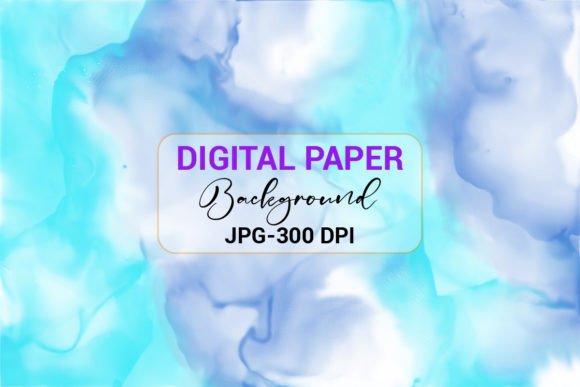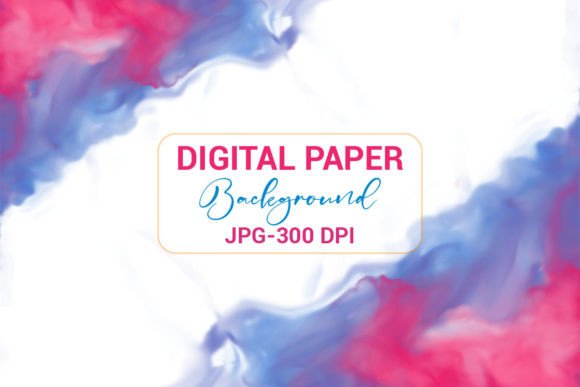
Alcohol Ink Background Texture: A Versatile Visual Asset
The search for compelling, ready-to-use visual assets is a constant task for creators across disciplines. Among the many options available, the Alcohol Ink Background Texture represents a specific category of digital resource that balances artistic appeal with practical utility. This type of texture is not merely a decorative image; it is a functional design element generated from the organic, fluid patterns of alcohol inks, then digitized and formatted for professional use.
Core Characteristics and Visual Appeal
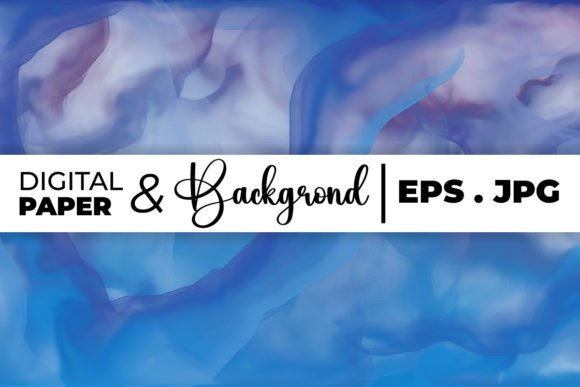
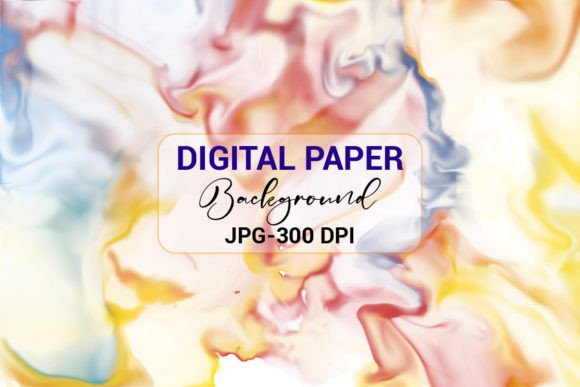
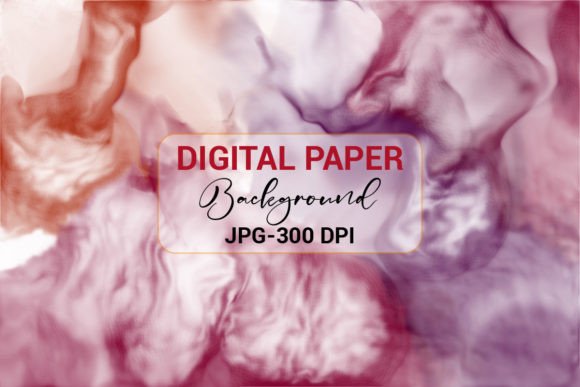
An Alcohol Ink Background Texture is distinguished by its origin. Real alcohol inks, known for their vibrant dyes and low viscosity, are manipulated on non-porous surfaces to create spontaneous, flowing blends and intricate cellular patterns. This process yields results that are impossible to replicate perfectly with digital brushes alone, offering a genuine organic aesthetic. When captured as a high-resolution texture, these characteristics are preserved: marbled color transitions, unexpected feathering edges, and a sense of depth. The texture provides a non-repeating, abstract base that is visually engaging without being overwhelmingly thematic, making it an excellent foundation layer.
Its primary purpose is to serve as a background or foundational element. This is its key strength. Unlike a focal illustration, a background texture’s role is to enhance and support other content without competing for attention. The Alcohol Ink Background Texture excels here because its patterns are complex enough to add visual interest, yet diffuse enough to allow overlaid text, logos, or primary images to remain legible and prominent.
Evaluating Practical Value and Usability
The practical value of any digital asset hinges on its quality, flexibility, and ease of integration into common workflows. A high-quality Alcohol Ink Background Texture provided as a 300 DPI JPEG file addresses these points directly. The 300 DPI resolution ensures that the texture retains its detail when used in print applications, such as book covers or stickers, without pixelation. The JPEG format, while common, is widely supported, and the inclusion in a ZIP file facilitates easy storage and transfer.
Usability is further enhanced by compatibility with mainstream applications. The specification that it can be used in Canva, MS Word, PowerPoint, and similar platforms indicates a design with broad interoperability. For a marketer needing a quick web background, an educator creating a presentation slide, or a freelancer designing a social media post in Canva, this removes technical barriers. You can import the file directly and begin working without conversion or specialized software.
Performance in Real-World Applications
Consider a few realistic scenarios. For a book cover designer, an Alcohol Ink Background Texture can provide an immediate sense of mood and modernity. Placed behind typography, it can suggest themes of fluidity, creativity, or science without literal imagery. For a small business owner creating social media posts, such a texture can elevate a simple text announcement, making it appear more polished and visually consistent with a brand that values artistry.
In digital contexts like web backgrounds, its effectiveness depends on implementation. A full-screen use on a website requires consideration of loading speed (JPEGs are typically efficient) and how it interacts with UI elements. For mobile cover designs, the texture’s organic patterns can wrap around device edges pleasingly, offering a unique product. The texture’s inherent consistency—as a single, high-quality file—means that the same asset can reliably produce similar visual results across different projects, aiding brand cohesion.
Audience Fit and Project Suitability
Who benefits most from this resource? The audience is broad but has specific needs. Professionals and entrepreneurs with basic design tools who require aesthetic enhancement without deep graphic skills will find it immediately useful. Bloggers and publishers seeking to improve the visual presentation of their content can employ it as a recurring design motif. Serious hobbyists in crafts or digital creation can use it as a base layer for further mixed-media projects.
The Alcohol Ink Background Texture fits projects that demand a modern, abstract, and non-literal visual style. It is less suitable for projects requiring historical, ultra-minimalist, or highly structured geometric aesthetics. Its value is long-term if it aligns with a creator’s ongoing visual identity; one texture file can be reused and adapted across multiple outputs, from digital posts to physical products, providing a cost-effective asset.
Observations on Flexibility and Limitations
The flexibility of an Alcohol Ink Background Texture is notable. It can be cropped, color-adjusted, overlayed with filters, or used in fragments. However, its limitations are inherent to its nature. As a static JPEG, it is not vector-based, so scaling up significantly beyond its intended resolution may reduce quality. The colors and patterns are fixed; if a project requires a completely different color palette, manual digital editing is necessary, which may alter the organic integrity of the ink patterns.
Another consideration is uniqueness. While the texture itself is unique, the style of alcohol ink backgrounds is popular. The end product’s originality will depend on how creatively the user integrates and combines the texture with other elements. It is a component, not a complete solution.
Final Recommendations
When evaluating whether an Alcohol Ink Background Texture fits your needs, assess your project’s core requirements. Do you need an abstract, organic background that works in both print and digital formats? Is your workflow centered on user-friendly platforms like Canva or PowerPoint? Does your audience respond to contemporary, artistic visual cues? If yes, this asset offers a reliable, high-quality starting point.
For optimal use, consider pairing it with strong, clear typography or bold focal images. Experiment with its opacity and layering within your design software to achieve the right balance. Its value is not in being a finished design, but in being a superior raw material that reduces the time and effort required to achieve a professional visual foundation. As with any digital asset, its ultimate effectiveness is determined by the skill and intent of the user who brings it into their creative process.