Mastering Early Literacy: The Power of Alphabet and Number Tracing Worksheets
In the foundational journey of childhood education, the development of fine motor skills and letter recognition stands as a critical first step. For parents, educators, and creators in the digital publishing space, tools that facilitate this learning are invaluable. Among these, structured practice sheets have emerged as a cornerstone resource. Specifically, printable worksheets focused on tracing and writing offer a guided pathway for young learners. This discussion explores the practical design, application, and real-world utility of these educational materials, particularly those formatted for independent publishing platforms.
The Anatomy of an Effective Practice Worksheet
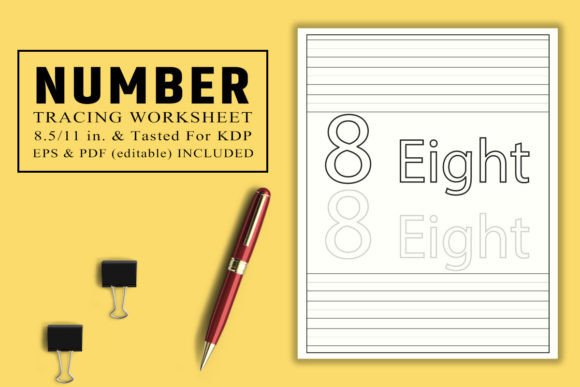
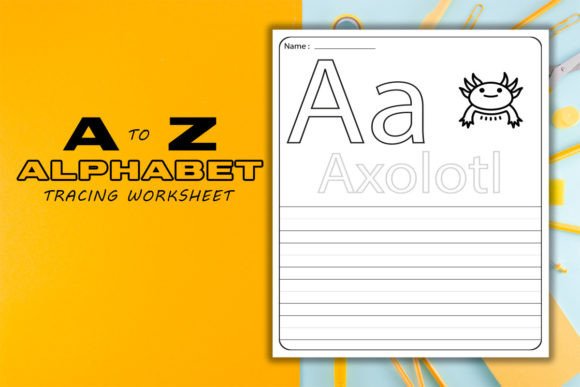
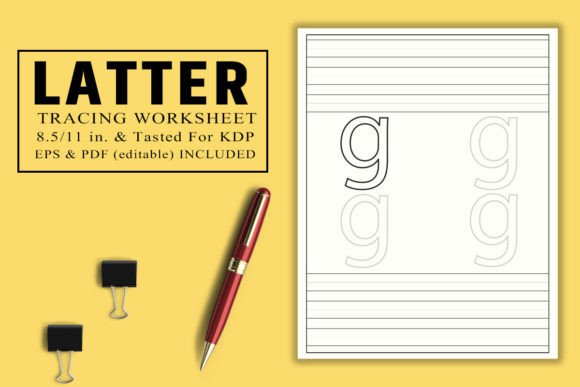
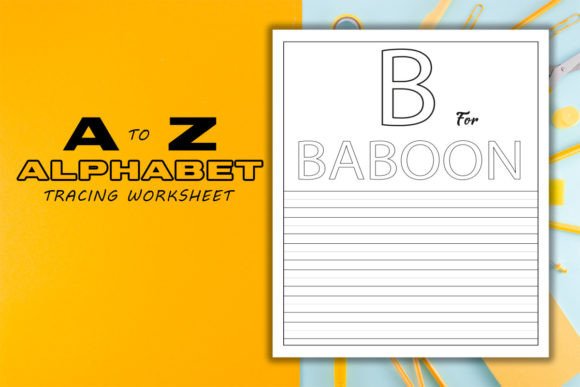
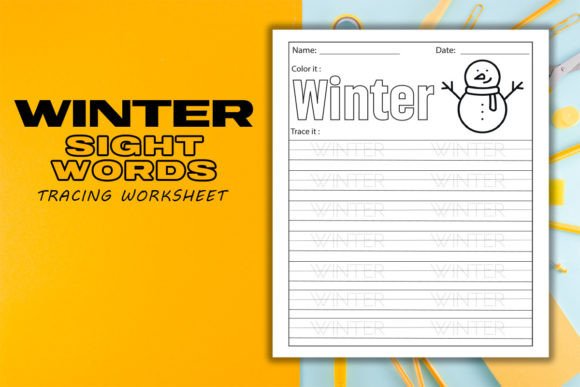
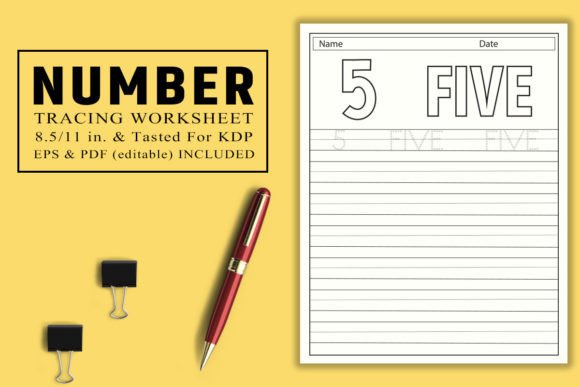
At its core, a well-designed tracing worksheet serves a dual purpose: it introduces symbolic representation—numbers and letters—while simultaneously training the hand in the basic movements of writing. The typical structure includes clear, bold outlines of each character, often accompanied by directional arrows or numbered dots to indicate the correct stroke order. For uppercase and lowercase letter writing practice, presenting both forms side-by-side allows children to understand the relationship between, for example, the capital 'A' and its lowercase counterpart 'a'. This comparative approach reinforces the full alphabet set.
The inclusion of numbers alongside letters is a logical progression. A resource titled Number Alphabet Tracing KDP Worksheets embodies this integrated approach. It recognizes that early math literacy, understanding symbols like '1', '2', and '3', is often developed concurrently with alphabet literacy. Combining them in a single practice space creates a cohesive learning experience that mirrors the interdisciplinary nature of early childhood curricula.
Key Specifications for Creator-Ready Files
For those producing these materials, particularly for sale or distribution through platforms like Amazon Kindle Direct Publishing (KDP), technical specifications are paramount. The standard involves a single-page layout designed for an 8.5 x 11-inch format, which aligns with common home and school printer paper. A high-quality print-ready PDF ensures the lines and characters remain crisp when printed. The inclusion of a fully editable EPS source file is a significant advantage for creators, allowing for customization of fonts, layouts, or graphics to suit different learning themes or styles.
Practical considerations like a no-bleed setting simplify the printing process for end-users, eliminating the need for specialized trimming. When a product is described as KDP standard, tested, and 100% editable, it speaks to a file that has been vetted for compatibility with the platform's upload system, ensuring a smooth listing process for entrepreneurs. This readiness transforms a creative educational idea into a viable digital product.
Real-World Applications and User Scenarios
The primary audience for these tracing sheets is, of course, young children. Toddlers and preschoolers engage with them as a first introduction to controlled pencil movement, often progressing from random scribbles to deliberate tracing along the guided paths. However, the utility extends beyond the earliest years. Older children who may need reinforcement in handwriting legibility or students with specific learning needs can also benefit from structured practice. The worksheets offer a non-pressure, repetitive activity that builds muscle memory and confidence.
For the adult users—parents, homeschool instructors, and preschool teachers—these printables represent a ready-to-use, zero-preparation activity. They can be quickly printed in bulk for a classroom, used as a quiet-time activity at home, or integrated into a larger lesson plan about sounds and quantities. The self-directed nature of tracing allows the adult to oversee multiple children simultaneously or provide a child with independent work. In the context of a KDP Interior, the educator is purchasing not just a sheet of paper, but a complete, designed educational tool optimized for easy use.
From Digital File to Physical Practice
The workflow for a consumer is straightforward: purchase or download the digital file, open the print-ready PDF, and send it to their printer. The result is a tangible practice page. For the creator or business owner, the workflow involves more steps but is supported by the editable files. They might adapt the Printable Alphabet Tracing Worksheet by adding a child's name at the top, incorporating themed borders, or adjusting the difficulty by gradually removing tracing guides for some letters. This flexibility is crucial for building a diverse product line that caters to various niches within the educational market.
Observations from educators suggest that combining tracing with multi-sensory activities enhances retention. A child might trace a lowercase 'b' on the worksheet, then form the same letter with clay or find objects that start with the 'b' sound. The worksheet becomes the visual and kinesthetic anchor for a broader learning experience.
Characteristics and Advantages for Creators and Learners
Examining these products reveals several distinct characteristics. First is their scalability. One masterfully designed file can be sold thousands of times, reaching a global audience of learners. Second is their adaptability. With editable source files, a single product can be the foundation for numerous variations. Third is their focus on fundamental skill development. They address a universal educational need, making their market potential enduring and wide.
The advantages are clear. For the child, they provide a standardized, clear path to learning essential symbols. The consistency of the format reduces cognitive load, allowing the child to focus on the task. For the parent or teacher, they offer reliability and quality, knowing the sheet is designed with educational principles in mind, such as appropriate character size and stroke order. For the creator or business owner in the high-content book sector, they represent a product with relatively low ongoing overhead, high demand, and compatibility with a major marketplace like Amazon KDP. The fact that these interiors are fully tested on the platform removes technical barriers to market entry.
Considerations in Design and Use
Effective worksheet design requires pedagogical understanding. The spacing between characters must be ample to avoid confusion. The lines used for tracing should be thick enough for a young child's developing motor control to follow but not so thick that they obscure the final form of the letter. The choice of font is critical; it should be a clear, simple sans-serif or manuscript style without decorative flourishes that might mislead the learner about the letter's true shape.
When using these worksheets, moderation and progression are key considerations. Overuse of pure tracing can become monotonous. It should be interspersed with other writing and letter-play activities. Furthermore, a natural progression would be from worksheets with full tracing guides, to those with partial guides (like dotted lines), and finally to blank lines requiring independent letter formation. This scaffolds the learning process towards mastery.
The Role in the KDP Ecosystem and Content Business
Within the Amazon Kindle Direct Publishing ecosystem, digital interiors like these tracing worksheets fall under the category of printable books or low-content books. They are a significant segment because they fulfill a very specific, practical need. A seller can list the product, and the customer receives a digital file instantly, a transaction that is simple and efficient. The description "perfect for your High Mid content book business" points to the potential for building a brand around a series of such educational products—perhaps a suite of worksheets covering numbers, the full alphabet in uppercase and lowercase, then simple words, and eventually sentences.
The long-form informational search intent around such products often involves parents seeking "activities to help my child write letters" or educators looking for "printable handwriting practice." Therefore, content that explains the utility, design principles, and effective use of these worksheets naturally aligns with those queries. Mentioning The Number Alphabet Tracing KDP Worksheets, Uppercase, and Lowercase Letter Writing Practice within informative articles provides concrete examples that answer these searches.
Ultimately, these tracing resources are more than just sheets of paper. They are structured gateways into literacy and numeracy. Their value lies in their simplicity, their focus on essential skills, and their format, which bridges the digital creation economy with the hands-on, physical world of childhood learning. For anyone involved in early education—whether as a teacher, a parent, or a creator supplying tools for them—understanding and utilizing these well-designed practices is a step towards fostering confident, capable young learners.