Creating a Simple Butterfly Drawing Guide
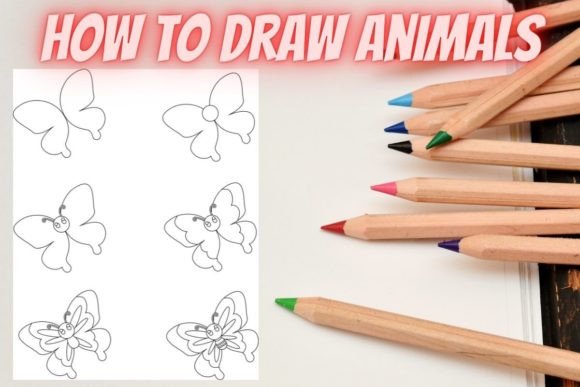
Turning a basic concept into a beautiful, functional asset is the core of great design. A resource like a How to Draw Butterfly Step by Step KDP printable exemplifies this transformation, where a simple instructional page becomes a versatile tool in a designer’s creative arsenal.
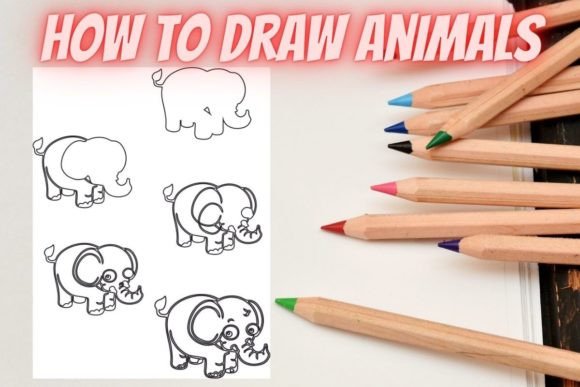
From a professional graphic design perspective, this single-page asset is more than just a children’s activity; it’s a foundational visual building block. Its clarity and step-by-step structure demonstrate essential principles of visual communication—breaking down complex forms into manageable, sequential components. This approach is directly applicable to user interface (UI) design, instructional manuals, and any project requiring clear, guided progression.
A Design Asset with Multifaceted Applications
The high-quality, 300 DPI JPG file provided ensures the artwork maintains crispness and professionalism at any scale. This scalability is a critical consideration in modern design workflows, allowing the asset to be adapted across numerous mediums without losing its visual integrity.
Integrating Guide-Based Design into Brand Systems
Think of the step-by-step butterfly drawing not as an isolated element, but as a component that can enhance larger creative projects. Its clean, illustrative style can be woven into broader visual narratives.
- Branding & Educational Materials: For companies in the eco-friendly, educational, or creative sectors, this style of imagery can soften corporate communication and make brand messaging more approachable and engaging.
- Digital & Print Marketing: The individual steps can be deconstructed and used as icons, border elements, or decorative motifs in flyers, blog posts, and social media graphics, adding a touch of organic, hand-crafted aesthetic.
- Product Design & Merchandise: When incorporated into KDP interiors for children’s books, activity journals, or educational kits, it contributes to a cohesive visual theme, improving the overall user experience (UX) through consistent, friendly imagery.
Practical Tips for Utilizing Instructional Art
To leverage such an asset effectively within your professional design work, focus on its integration into your existing visual hierarchy.
First, evaluate the color palette and line style. Does the illustration’s aesthetic align with or complement your project’s current mood? A monochrome step-by-step guide offers maximum flexibility, allowing you to colorize it to match your brand identity or campaign’s color scheme. Second, consider composition. The sequential layout inherently creates a visual flow. This principle can be applied to layout design for websites or editorial spreads, guiding the viewer’s eye naturally through the content.
Furthermore, this type of asset underscores the importance of usability in design. The clear, numbered steps prioritize user understanding—a goal paramount in UI/UX design and any consumer-facing communication. When you assemble multiple such pages into a larger KDP book, you’re essentially curating a user journey, each page building upon the previous one to create a satisfying, educational experience.
Enhancing Visual Communication with Foundational Art
In the broader context of visual design and digital marketing, assets like these serve as excellent raw material. They can be used to:
- Create engaging social media content series that teach simple drawing skills.
- Develop branded templates for workshops or community events.
- Add unique, non-stock illustrative elements to packaging design or presentation slides.
The key is to see beyond the asset’s immediate function. Its value lies in its adaptability and the design principles it embodies: clarity, progression, and aesthetic simplicity. By thoughtfully incorporating such elements into your branding, marketing materials, or digital products, you elevate the professional presentation of your projects, making complex information accessible and visually appealing.
Ultimately, the most impactful design choices often stem from the simplest, well-executed ideas. A single, high-quality step-by-step drawing guide provides a microcosm of effective visual communication. It reminds us that good design is not just about decoration, but about creating clear pathways for understanding and engagement, strengthening the connection between your content and its audience through thoughtful, usable, and aesthetically pleasing visuals.